A Pioneer Nurse Anesthetist Who Also Introduced the Concept of Managed Care and Prepaid Health Insurance
Sisters of St. Joseph of Northwestern Pennsylvania
‘‘Do all the good you can, to all the people you can, in all the ways that you can, and just as long as you can.’’
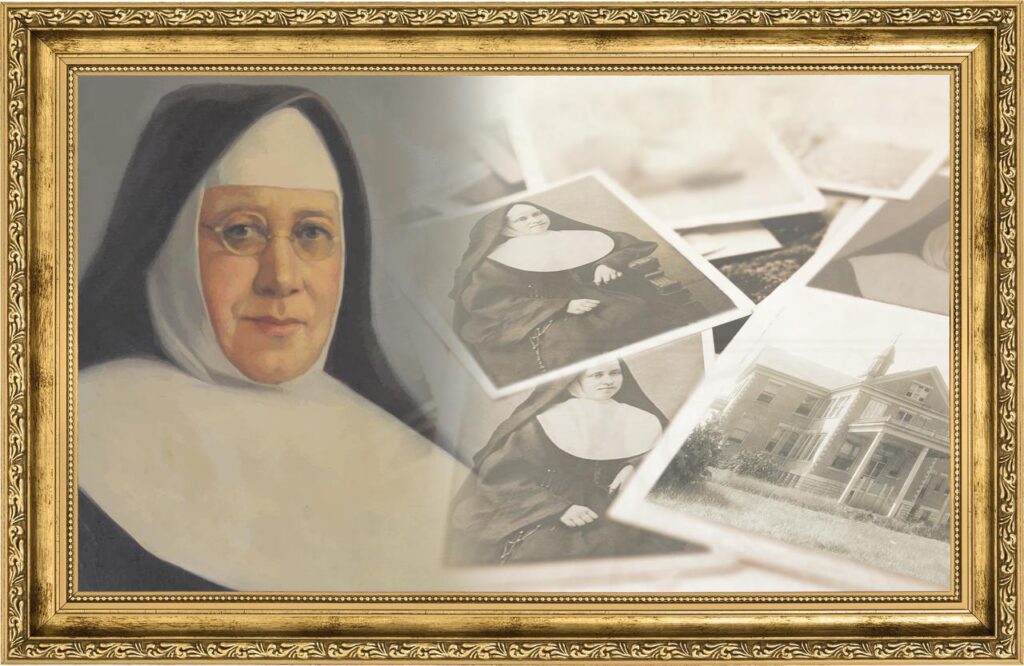
Mother Bernard Sheridan
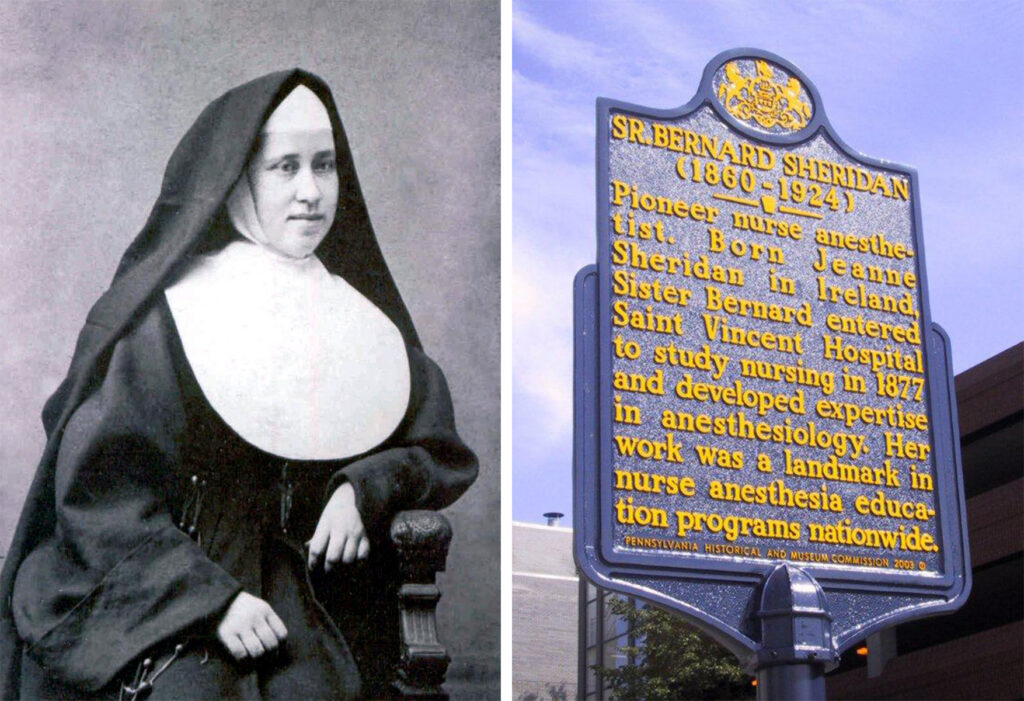
In 2003, it was discovered that Sister Mary Bernard Sheridan was the first formally educated nurse anesthetist in the U.S., and the Pennsylvania Historical and Museum Commission placed an historic marker outside Saint Vincent Hospital in Erie, Pennsylvania. According to the Pennsylvania Association of Nurse Anesthetists (PANA), Sister Mary Bernard Sheridan created a legacy for the thousands of Certified Registered Nurse Anesthetists (CRNAs) nationwide who have followed in her footsteps.
Jeanne Sheridan was born in 1860 in County Roscommon, Ireland. Her father fled to the U.S. after an encounter with the law. Though he intended to send for his family, he never made it and was presumed lost at sea during the journey. Jeanne’s mother immigrated to New York and placed her three younger daughters, including Jeanne, in the care of the Sisters of Notre Dame de Namur. In 1877, 17-year-old Jeanne professed her vows as a Sister of St. Joseph of Northwestern Pennsylvania (Diocese of Erie, PA) and was given the name Sister Mary Bernard.
Sister Mary Bernard studied nursing at Saint Vincent Hospital, which was founded by the Sisters of St. Joseph in 1875. Surgeons back then preferred to have sisters administering anesthesia as they valued their commitment and vigilance. But the sisters didn’t consider themselves nurse anesthetists – they were just responding to a need. Sister Mary Bernard was trained in anesthesia while at Saint Vincent, and she is historically recorded as the first nurse to specialize in anesthesia (https://www.facebook.com/CRNAwomen).
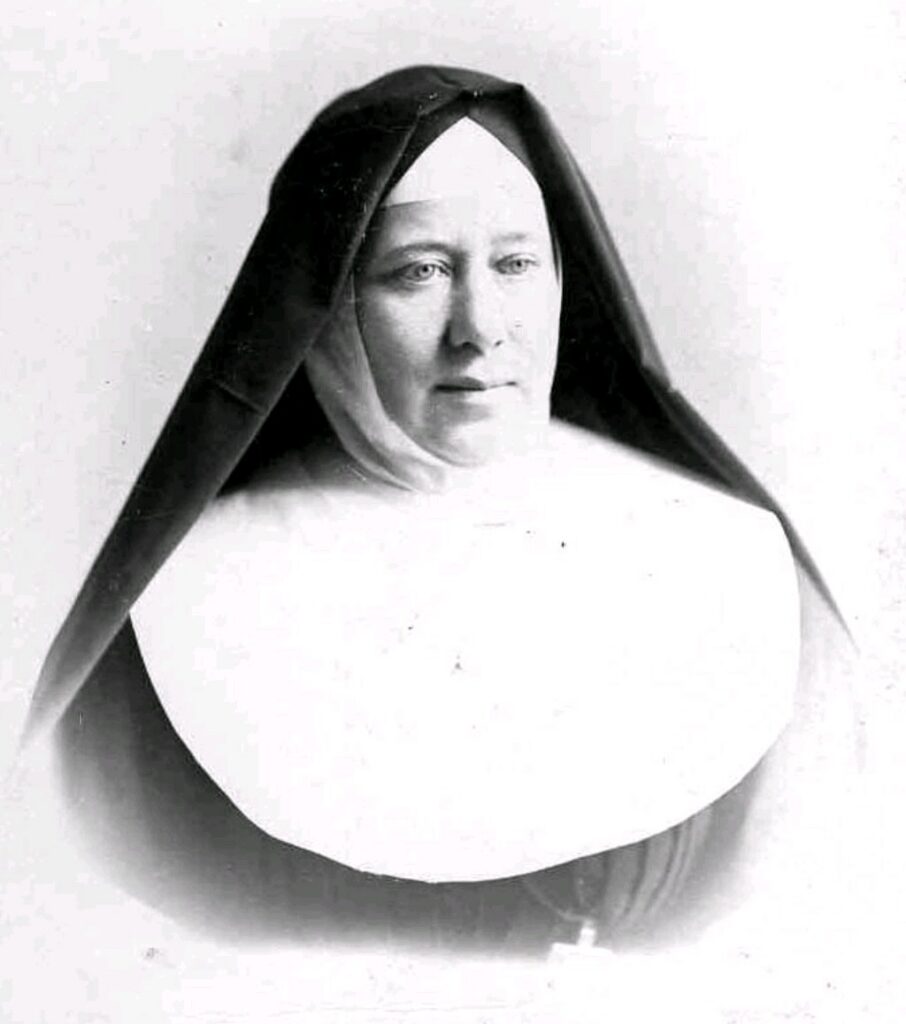
She stayed in Erie until 1888 at age 28, when she moved west and became Mother Bernard, foundress of the Sisters of St. Joseph in Wichita, Kansas. Under her direction, the congregation started schools and hospitals, and by 1896, she moved again to establish a motherhouse in Parsons and three years later to oversee a school for Native American children in Osage Mission, now St. Paul.
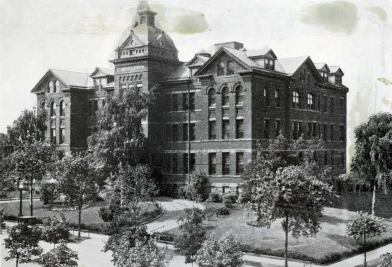
At the same time, southeast Kansas was becoming a booming industrial area, and concerned citizens wanted a local hospital to respond to the numerous injuries from mining and railroad accidents and the ills of the residents. After asking the Catholic Bishop, the responsibility was given to Mother Bernard and a few of her Sisters. They opened Mount Carmel Hospital in 1903, the first publicly accessible hospital to treat everyone regardless of ability to pay. (The hospital was recognized by the American Hospital Association in 1991 as one of the three best hospitals in the nation to respond to the changes in health care.) A nursing shortage led the sisters to later open a nursing school.
Mother Bernard Sheridan Implemented An Early Example Of Managed Health Care And Kansas’s First Prepaid Hospital Insurance Plan
From the Senate Congressional Record – April 7, 2003
On a rainy April morning in 1903, Mother Bernard Sheridan and five Sisters answered a call to serve in a region where countless immigrant miners and their families had flocked to work in the coalfields, a place where injury and illness were rampant. One of the Sisters described the deplorable conditions: ‘‘When the miner’s wife or children fell ill as a result of these unsanitary conditions, or when the miner himself was carried out of the pit broken and bloody or overcome by gas or powder fumes, there was no sickroom but the hot, crowded, dust-covered, fly-infested shack.’’ With faith and little more than $5 in her pocket, Mother Bernard opened a hospital to serve those as they would ‘‘that God should deal with themselves and their loved ones.’’ The hospital was the first of many healthcare ministries the Sisters would later sponsor throughout Kansas, Oklahoma, Colorado, and California
The little hospital could accommodate 20 patients at the time of its opening, and there was no paid staff. The six women worked 7 days a week, attending to the nursing, cooking, laundry, cleaning, and minding of the furnace. Eighteen-hour workdays were common, and when time allowed, the sisters slept in the attic. To aid in the hospital’s survival, the Sisters worked out an agreement with the Santa Fe Operating Companies to care for the firm’s employees for $80 and 15 tons of coal a month, an early example of managed care. The Sisters also created Kansas’ first prepaid hospital insurance plan. For 25 cents a month, miners and their families were assured hospital care for as long as it was needed. Moreover, addressing their own nursing shortage, in 1904, the Sisters opened a school of nursing, which continued into the 1970s when it was transformed into the present-day university nursing education program.
Mother Bernard served as Superior for 20 years, ministering until her death on February 1, 1924. Some of Mother Bernard’s living descendants are in the Erie, PA area, including Mary Herrmann, SSJ, her great-great niece. Recalling family stories, Sr. Mary said, “Her deep faith in her God and her dedication to reaching out to help others exemplify the Sister of St. Joseph. It is with great pride and awe that I echo my own mother’s words and think of her as ‘Aunt Jennie’.”