
A Quick Look at the Founding History
Sisters of the Humility of Mary
Villa Maria, PA
The Sisters of the Humility of Mary were founded in 1854 in the Diocese of Nancy-Toul in France to work in poor and isolated parishes. After being denied government approval, the entire small community emigrated in response to a request from Bishop Amadeus Rappe of Cleveland to serve French immigrants in his diocese. In July 1864, the first Sisters of the Humility of Mary arrived in Lawrence County, Pennsylvania. The group – nine professed Sisters, two novices, four orphans – and their chaplain, Father John Joseph Begel, left their homeland only three months after the death of its foundress, to bring to reality her dream of missionary service. According to the community’s Rule, the Sisters were to do all sorts of work wherever there were unmet needs, do their best to be of service, and leave willingly when somebody else came who could do as well or better. They were then to move on and serve unmet needs in some other neglected area. (Adapted from Pittsburgh Diocese: Proposed Exhibit For Women’s History Month, 2004)
Pictured above: Mother Madelaine and Father Begel
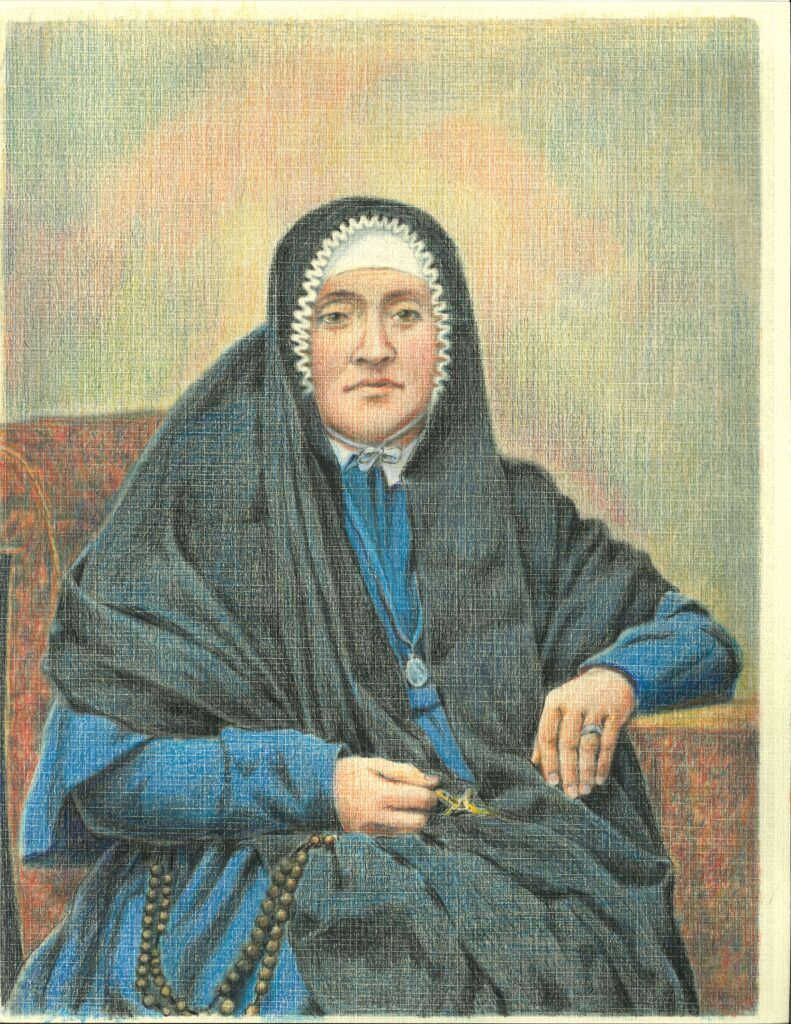
The Congregation’s Foundress
Under the leadership of Mother Anna Tabourat, the Congregation’s foundress, they established their new home at what is now the Villa Maria Community Center. From the very beginning, their mission was clear: to go wherever there was unmet need. They served the poor, especially women and children, in remote and neglected areas, offering education, healthcare, catechesis, and social services. Their willingness to move on when others could continue the work reflected their humble dedication to service above all else
Original motherhouse
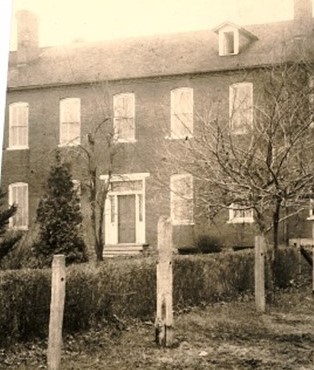
Bishop Amadeus Rappe of Cleveland provided a place in Pennsylvania for the sisters’ Motherhouse. It is now known as the Villa Maria Community Center.
The sisters’ mission, as in France, was to work with the poor, with people and parishes in otherwise remote and neglected areas, by helping people in need, especially women and children, to attain a fuller and better life through the ministries of catechetics, education, health care, and various other social services, according to the needs of that time. (Adapted from Pittsburgh Diocese: Proposed Exhibit For Women’s History Month, 2004)
In the 1870s, the sisters used a two-room clinic to care for injured railroad workers from Lowellville, Ohio. They soon outgrew the space and built a larger facility next door to the motherhouse. The facility, St. Joseph Infirmary, was affectionately known as “The Sisters Hospital up Lowell Hill.” This was the first hospital in Ohio’s Mahoning Valley and remained until 1911. (Adapted from The Legacy of the Sisters of the Humility of Mary)
Today, the story of the Sisters of the Humility of Mary continues to inspire, rooted in a legacy of courage, adaptability, and a profound dedication to serving others wherever the need is greatest.
Artifact Spotlights

French Madonna Statue
The “French Madonna” is a treasured image of the Mother and her Child that illustrates their relationship. This artifact travelled with the sisters when they moved from France to America in June 1864. It was present in the convent garden as the sisters gathered in prayer and conversation. The rough waters of the journey caused her to lose her right arm, and there is visible damage to the torso where a repair was made. Layers of paint were removed over the years, and finally, in 2010, the statue was professionally restored.
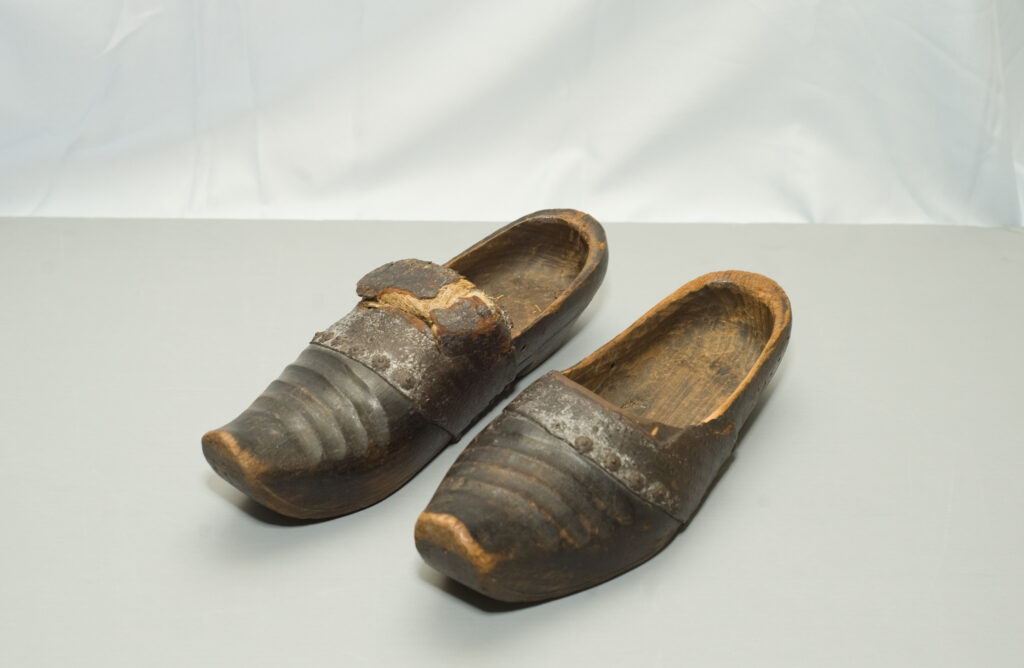
Mother Anna’s Shoes
Without telling Father Begel of her plan, Mother Anna set out on foot for Cleveland with Sister Odile and Sister Mary of the Angels about five o’clock one evening. The roads were endless stretches of deep, muddy ruts. The three plodded along as well as they could until at last they decided there was nothing to do but take off their shoes and stockings and walk the rest of the way barefoot. When they came to the outskirts of the city, near what is now Council Rock in the Lincoln Park area on Youngstown’s East Side, not far from present-day St. Angela Merici Parish, they washed their feet in the creek, put on their shoes and stockings again, and continued on their way. From several sources, including “A Dream Fulfilled” by Sr. Naomi Ahern, H.H.M., printed in 1954. “Mother Anna Tabouret” [sic] by Sr. Mary Kenneth, H.H.M. (Sr. Frances Flanigan), Review for Religious, 18:5; September 15, 1959.] (from HM Website)