Stories of Inspirational Catholic Sisters
Featured at the People of Hope Museum Cleveland Tour Stop
The Women Religious Archives Collaborative is happy to be partnering with Catholic Charities of Cleveland and the Sisters of Charity Foundation to host the People of Hope museum in Cleveland. For centuries, Catholic sisters have brought hope to life through service — educating children, caring for the sick, welcoming immigrants, feeding families, advocating for justice, and protecting God’s creation. Every ministry, every act of compassion, every community served is a reminder that hope is not passive — hope is built through service. We’d like to highlight some of the women of hope whose commitment to service has improved the lives of others and whose stories continue to inspire others.
Watch our video:
Read their stories:

Sister Leonard Kelley, SIW
Sister Leonard Kelley, affectionately known as “nun,” served as Director of the Outreach Ministry for Persons with Disabilities in the Cleveland Diocese. She provided pastoral care and supervised volunteers at 18 residential facilities for disabled persons. She conducted a weekend retreat program at St. Joseph Christian Life Center and founded Camp Agape, both serving adults with mental disabilities. Her ministry to those with special needs was where she found her happiest moments.
Dorothy Kazel, OSU
On December 2, 1980, Sr. Dorothy Kazel, lay missionary Jean Donovan, and Maryknoll Sisters Maura Clarke and Ita Ford were abducted, raped, and executed by members of the Salvadoran National Guard. Their crime – preaching the Gospel and ministering to the poor. In a world fraught with violence, injustice, and poverty, their courageous witness of living the Gospel has inspired countless others to stand with the poor, to become a voice for them, and to become instruments of God’s nonviolent love and truth.

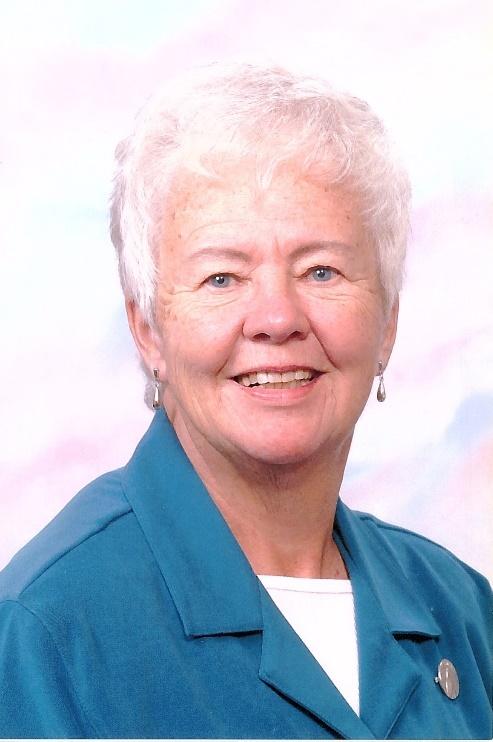
Sister Sheila Salmon, HM
In 2007, Sister Sheila Salmon, was sentenced to 100 days in a Florida penitentiary for protesting at the former School of the Americas. Its graduates committed numerous crimes against humanity, including torture, forced disappearances, rape, and murder, including the killing of six Jesuit priests. She was a nurse with a strong commitment to justice and peace. She offered care to many, including children and adults with AIDS.
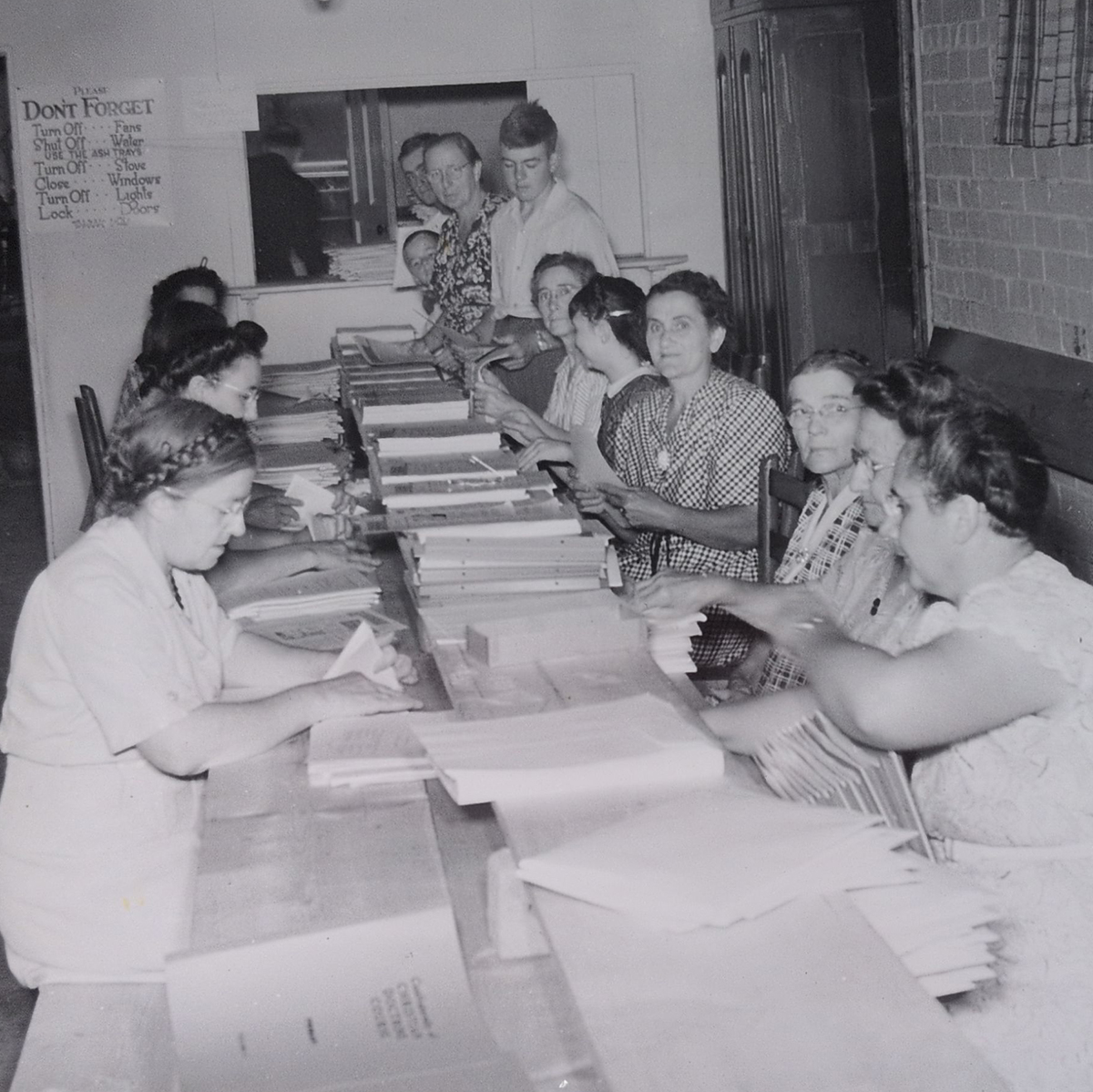
Mary Joanna Ryan, OSF
In the late 1930s, Sister Joanna Ryan, in conjunction with the Diocese of Peoria, pioneered and developed the Peoria-Aledo Plan, a program of religious instruction for children in rural areas who could not attend Catholic school. The plan evolved as an innovative way to catechize children who were geographically isolated or lacked access to formal parish education. Instead of requiring students to travel, the program operated as a correspondence course through the mail, providing structured religious education lessons and worksheets to families, eventually reaching more than 85,000 subscribers worldwide.
Alexia Walters, OSB
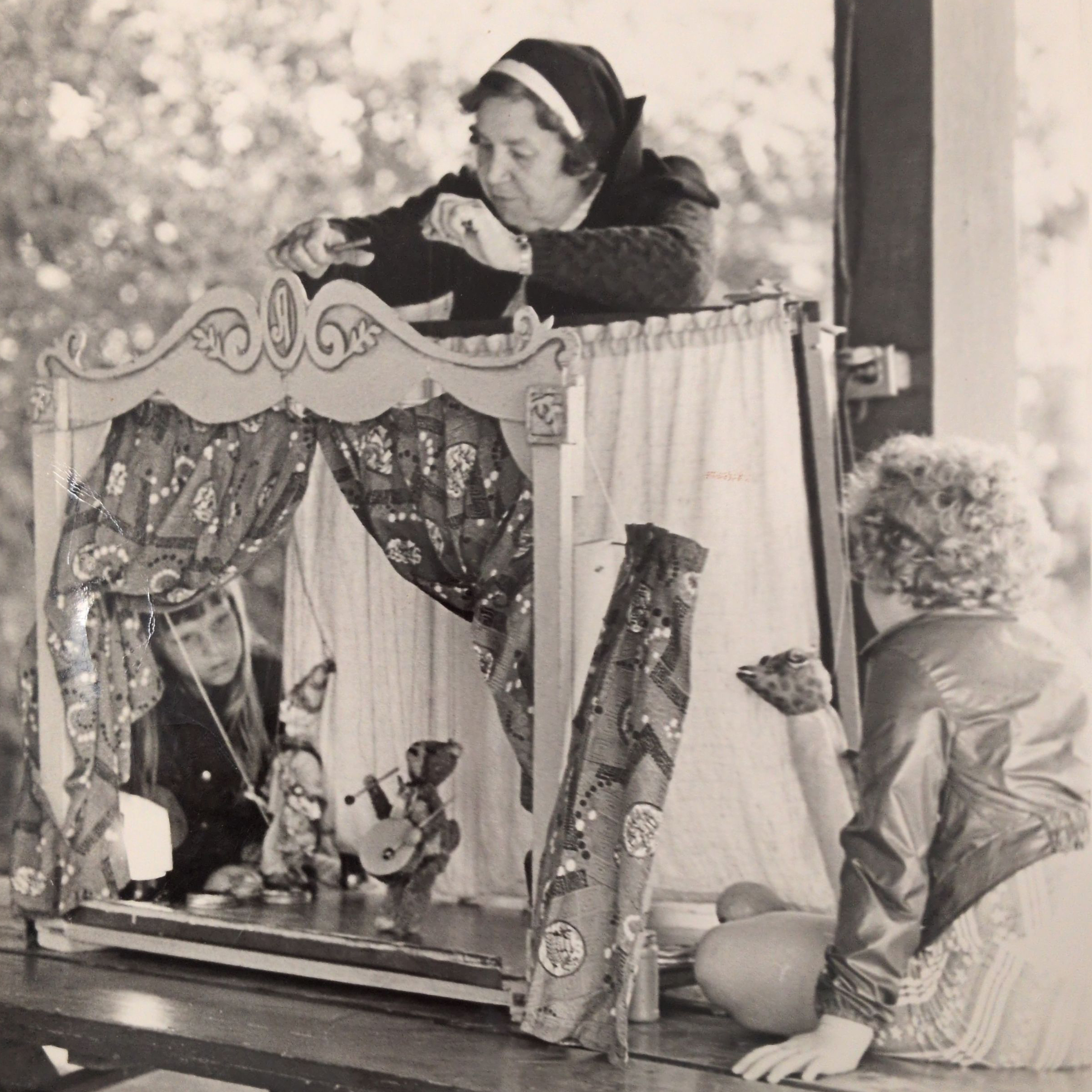
Known to many as the “Puppet Nun,’ Sister Alexia Walters brought hope to many with her hand crafted puppets. She earned her nickname after doing several puppet shows for children and their families who were living in emergency shelters following the 1965 flood in Rock Island – Moline. She was an art teacher for 22 years and created more than 100 puppets and marionettes. While teaching at Alleman High School in Rock Island, she conducted a weekly art show on a local TV station and conducted workshops for area teachers. She led classes on puppet making and performed puppet shows at children’s summer camps. She was in the midst of entertaining children with her puppets when she died.
Sr. Henrietta Gorris, CSA
Sr. Henrietta Gorris felt called to serve in Cleveland’s “Hough” neighborhood, which was fraught with poor living conditions and inadequate housing. The National Guard had to restore order after violence, looting, and arson became rampant. Tough, determined, and practical-minded, she lived and worked alongside the residents and focused on uplifting them. She started the Famicos Foundation to empower residents and focus on social services, education, and neighborhood revitalization. The “Angel of Hough” is now deceased, but her impact is still felt today.

Loyola Grubl, OSB
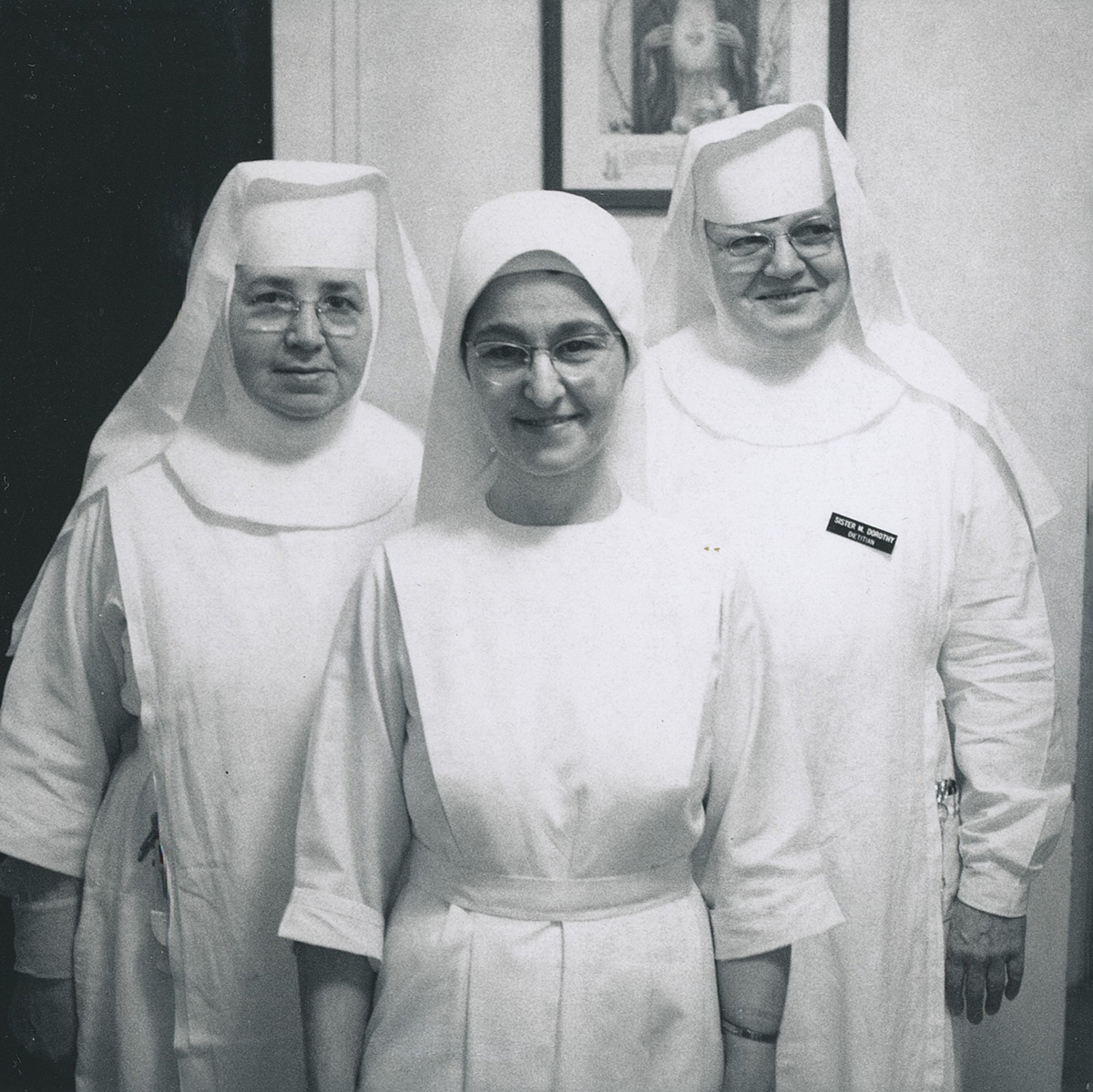
Highly regarded in the South Dakota medical community, Sr. Loyola Grubl was a pioneer nurse whose compassionate care impacted the lives of many. She started her ministry as a Registered Lab Tech, then attended nursing school and graduated in 1929. She went on to become a registered x-ray tech at a time when the lack of standardized shielding and the frequent use of unrestrained “fluoroscopy” meant technicians worked under conditions that would be considered extreme safety risks today.Nonetheless, she spent more than three decades in the field.
Mary Luke Tobin, SL
Sister Mary Luke Tobin was one of only 15 women auditors invited to the Second Vatican Council, and the only American of three sisters on its planning commissions. She was an anti-war activist and spoke against rising militarism. She was an advocate for justice, peace and human rights. She participated in nonviolent actions at nuclear weapons facilities and test sites. She was arrested at the Air Force Academy and in the Capitol Rotunda. She joined picket lines in support of the United Farm Workers, and took on a coal company challenging its environmental, health, safety and labor practices. She was led by the Gospel, her Community, and her conscience to work for justice and act for peace.

Benita Repasky, SSJ
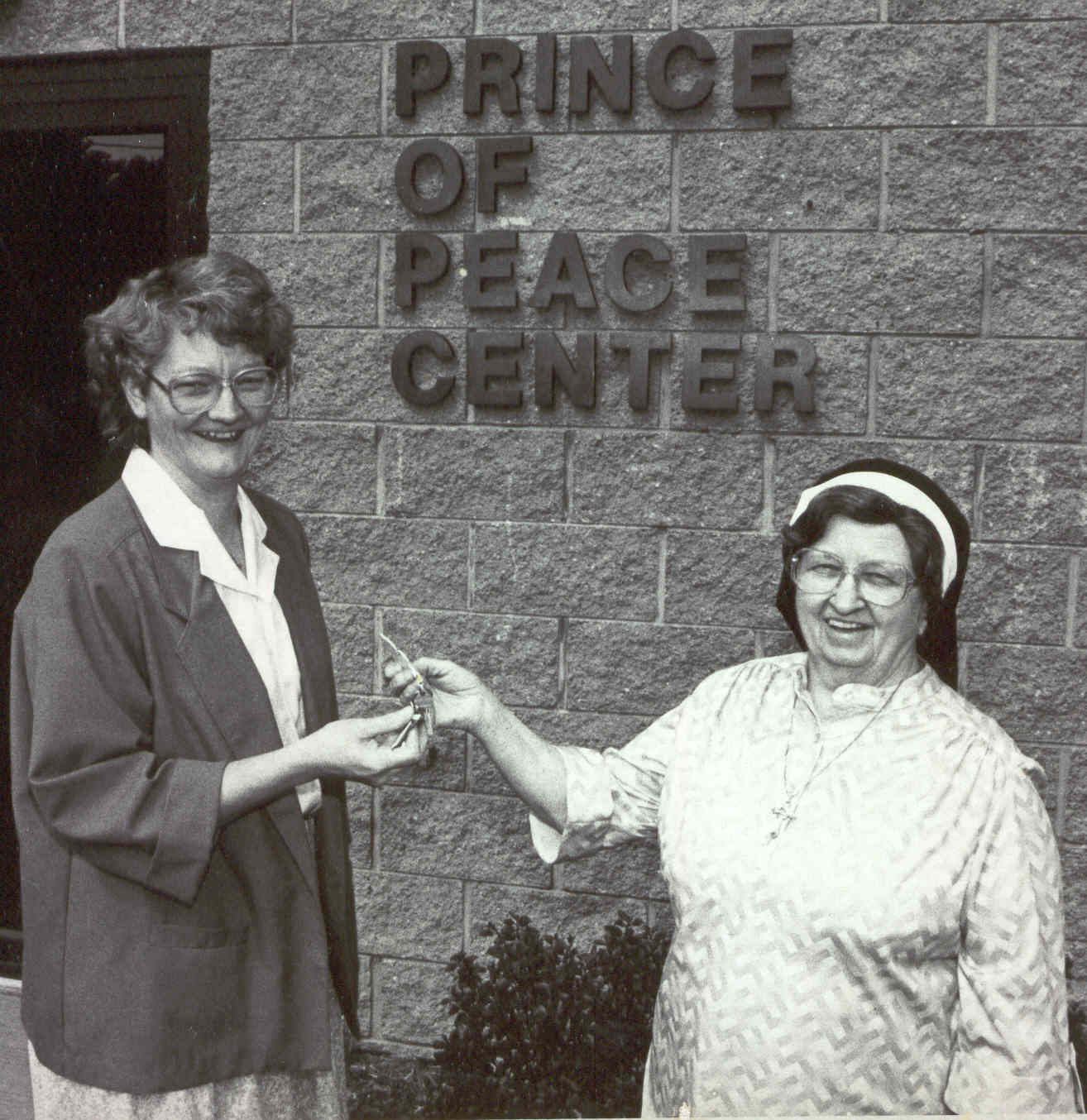
Sister Benita Repasky believed the rainbow she saw while on her way to establish a new ministry was a sign to trust God. That led to a ministry that has served the poor for more than 30 years. The Prince of Peace Center, now part of Catholic Charities of the Diocese of Erie, strengthens families and builds community by addressing the economic, emotional, and spiritual needs of those seeking self-sufficiency. The Prince of Peace Center provides emergency assistance, counseling, a food pantry, mentoring, advocacy, a soup kitchen, a thrift store, and other services. Sister Benita is credited with having the vision and leadership that resulted in this thriving and vital ministry.
Mary Lou Kownacki, OSB
Poet, monk, and visionary leader Sister Mary Lou Kownacki spent her life in pursuit of peace, advocating for justice, loving the poor, and bringing beauty to inner-city children. She began the Pax Center, a Christian community for nonviolence that included sisters, activists, and the disenfranchised. She participated in protests, was arrested, and helped start Benedictines for Peace. She was a founding mother of Emmaus Soup Kitchen and a Pax Christi USA National Coordinator. She founded the Inner-City Neighborhood Art House to bring beauty into the lives of inner-city children. She was the visionary behind the online monastery Monasteries of the Heart. She wrote books and poetry, loved art and beauty, and lived for friends and golf.
Anne Mary Lochner, OSU
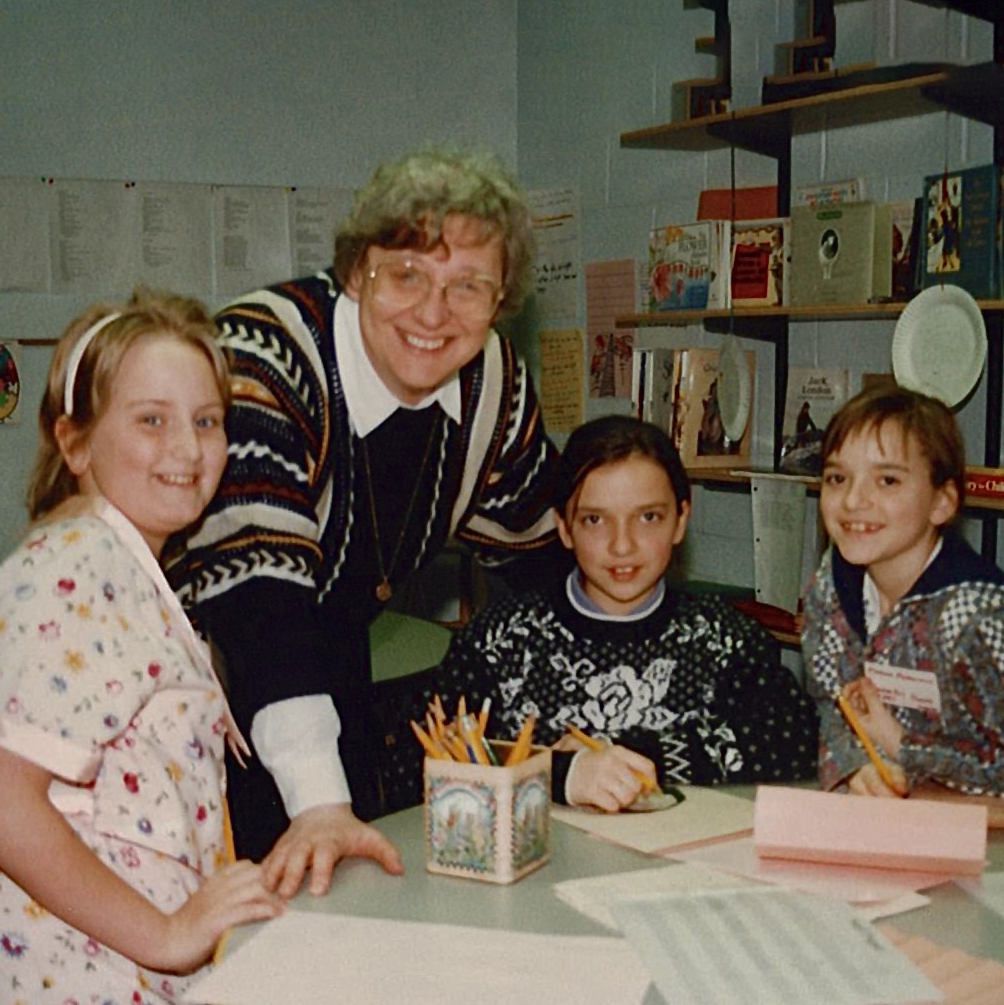
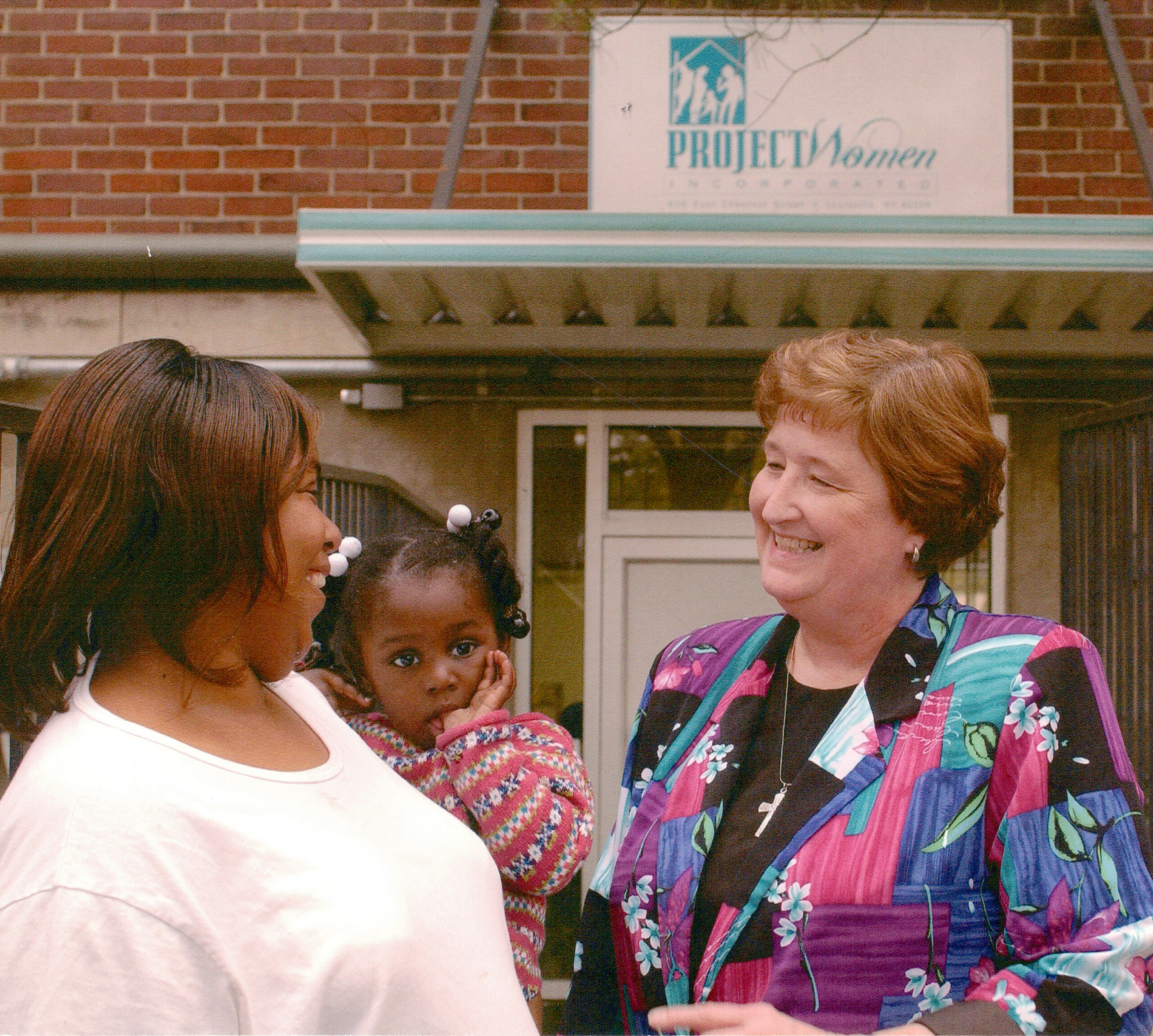
Sister Anne Mary Lochner, an Ursuline Sister of Louisville, was dedicated to empowering the marginalized in her community. In 1995, she led a collaborative effort of six religious communities who formed Project Women, a program that offered hope to single mothers in crisis by providing them with housing, higher education, and employment. She served as the first executive director of Project Women, which became the Family Scholar House in 2008 and continues in Louisville today. She also spent more than a decade offering hospitality and hope to refugees while working in the office of Immigration Legal Services at Catholic Charities of Louisville.
We hope you found these stories inspiring. Many more like them will be kept alive at the Women Religious Archives Collaborative. They won’t be locked away in storage accessible only to researchers and historians; they’ll be brought to life through engaging exhibits and programming. More than an archive, the Women Religious Archives Collaborative is a living resource, one that will bring together scholars, students, and communities to explore, learn, and build upon the work of these women of hope. Through collaboration between archivists, congregations, and research institutions, the Women Religious Archives Collaborative is reimagining how these stories are collected, experienced, and passed on to future generations. As Rudyard Kipling once said, “If history were taught in the form of stories, it would never be forgotten.”